
At a time when global spaces for advocacy are becoming more restricted, the 70th session of the UN Commission on the Status of Women (CSW70) felt especially important – and deeply personal for many who participated.
Many advocates, particularly from across Africa, were unable to attend due to visa restrictions. Others made the difficult decision not to travel out of concern for their safety. And at the same time, we’re seeing growing efforts around the world to roll back protections for gender equality, reproductive rights, and women’s leadership.
And still, people showed up.
Because CSW remains a space to come together across geographies, to connect across movements, and to reaffirm what we know to be true: progress is possible – and worth fighting for.
It was in this spirit that Rise Up Together co-hosted “Justice Begins Here” with our longtime partner Girl Rising – an intimate conversation grounded in the leadership and lived experiences of women and girls.
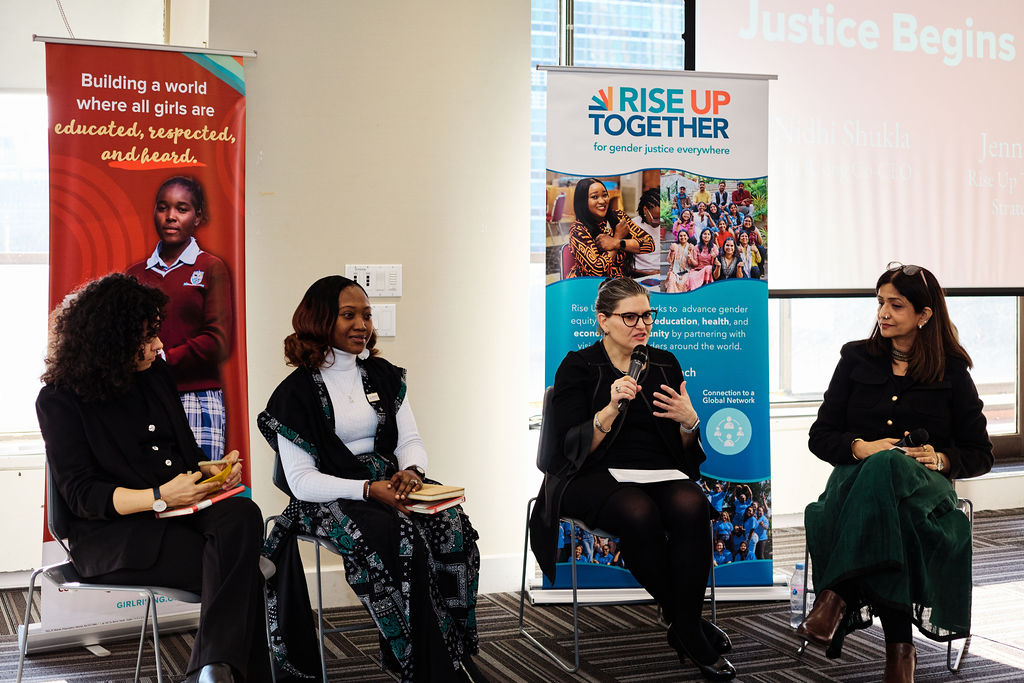
We gathered early on Friday morning at the Church Center of the United Nations with connection and sharing as our guiding intention. And from the very beginning, the conversation centered on a powerful idea: justice doesn’t begin in distant systems alone – it begins in communities, in relationships, and in the moment someone realizes their voice matters.
Vandana Kumari Pandey, Founder and CEO of Rang Kaarwaan, shared how she is creating spaces for girls in India to find and use their voices – often for the first time. Through arts-based programming and mentorship, girls who were once told to stay quiet are now speaking, questioning, and imagining new possibilities for their futures.
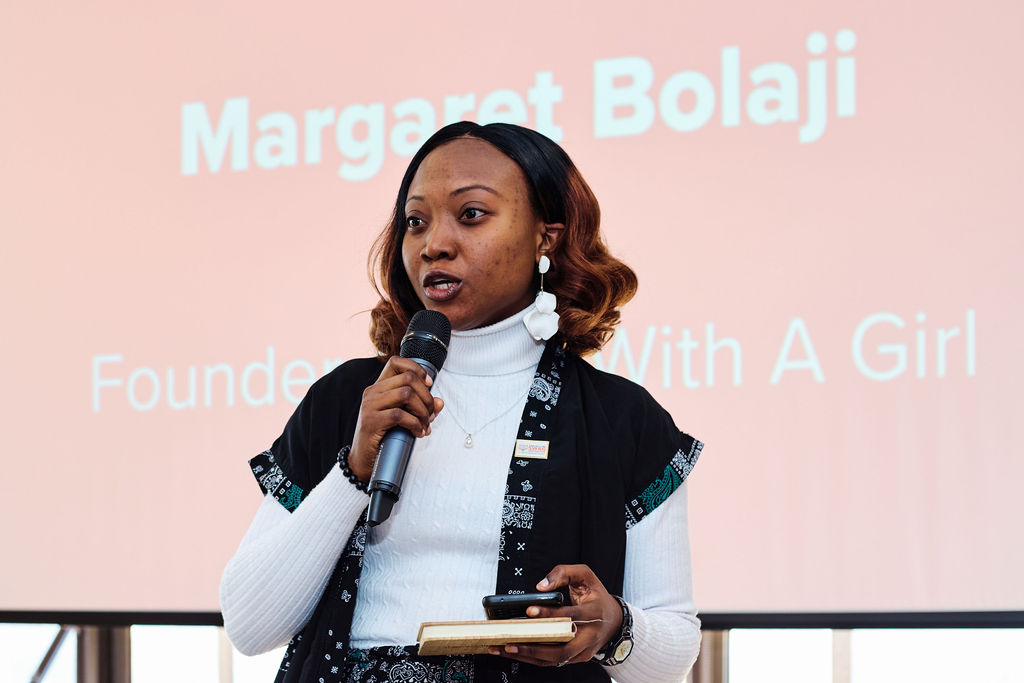
Rise Up Leader Margaret Bolaji, Founder of Stand With A Girl Initiative, brought that idea into sharp focus through her work in Northern Nigeria. In communities where insecurity and violence make it difficult for girls to safely attend school, Margaret is working to ensure that girls are not pushed out of education – and out of opportunity – by systems that fail to protect them.
Her story was a powerful reminder that injustice is not abstract. It shows up in real, everyday ways – and it can be changed.
As Jennifer Broome, Rise Up Together’s Director of Strategic Partnerships, shared during the conversation, recognizing injustice is only the first step. Creating change requires understanding what’s driving the problem – and knowing where to apply strategic action and advocacy.
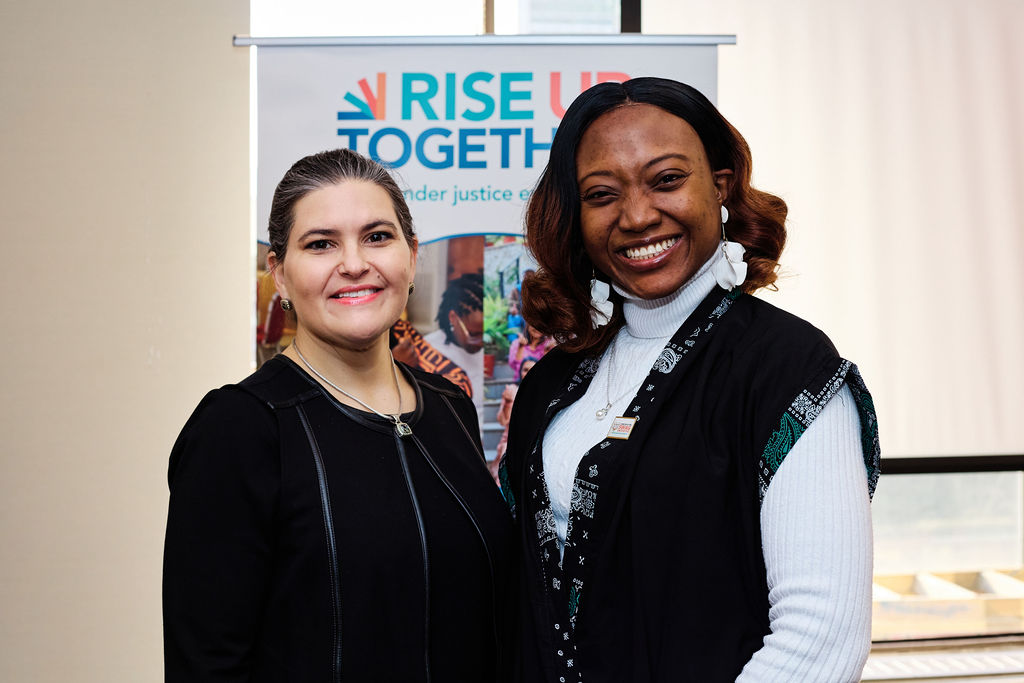
At Rise Up Together, leaders are supported with our proven curriculum which provides practical tools to do exactly that. One of those tools is the Problem Tree – a simple but powerful way to map a problem, understand its effects, and uncover the root causes that keep it in place.
Margaret shared how she used this approach to analyze unsafe schools in Kaduna State. By looking beyond the immediate challenges and identifying deeper drivers – like gaps in school safety infrastructure, limited political will, and weak policy implementation – she was able to shift her advocacy strategy toward solutions that create lasting change.
It’s a powerful example of what happens when lived experience meets strategy – when leaders are not only naming injustice, but building clear, actionable pathways to change it.
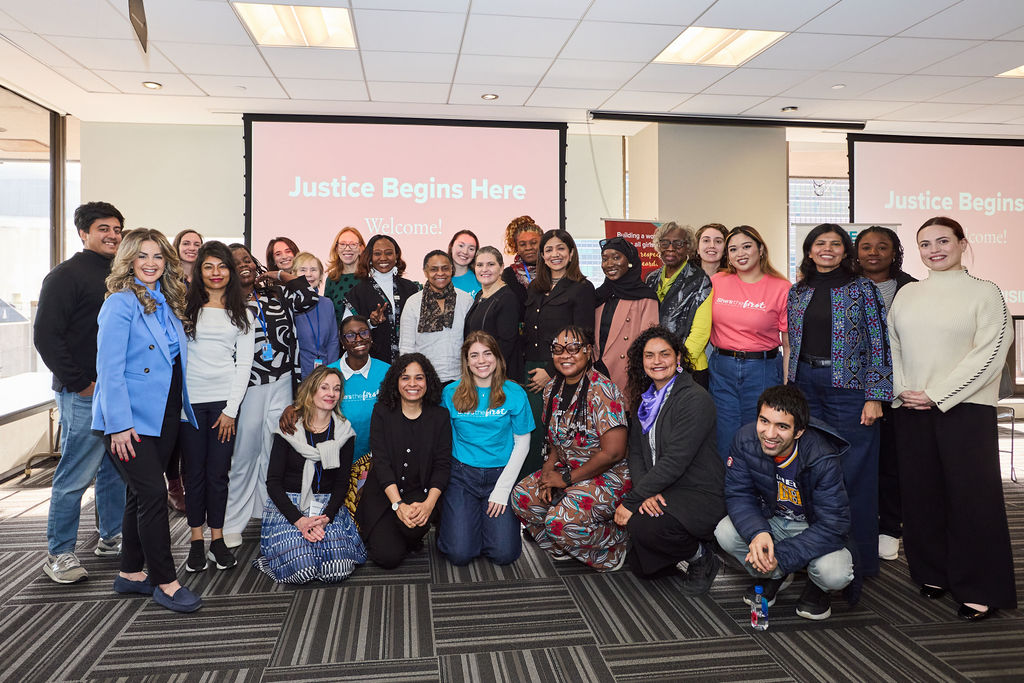
As the conversation came to a close, participants reflected on what justice means in their own lives and communities. With participants from around the world who are working on different aspects of the gender equity challenge, the answers were different, but the thread was shared: justice begins with each of us – in the voices we listen to, the systems we challenge, and the future we choose to build together.
In a year when CSW unfolds within a fraught political context, tighter constraints, and rising urgency, that sense of connection and clarity matters more than ever.

