
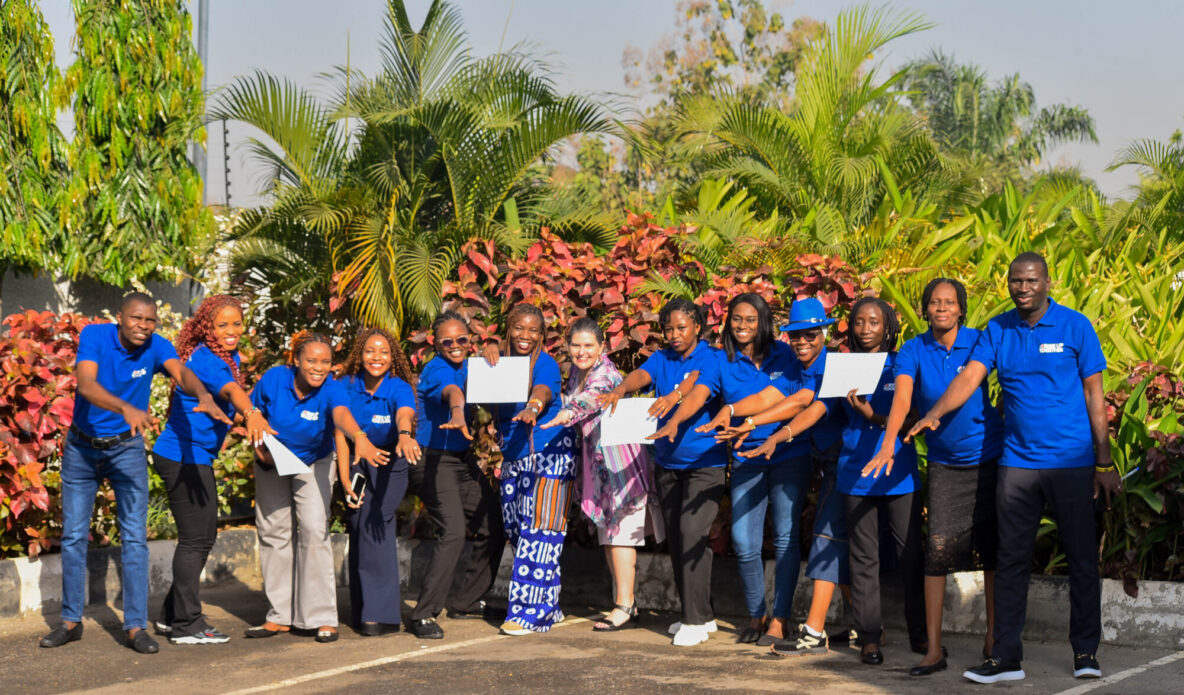
My Reflections from Rise Up Together’s 2025 Leadership and Advocacy Accelerator in Nigeria.
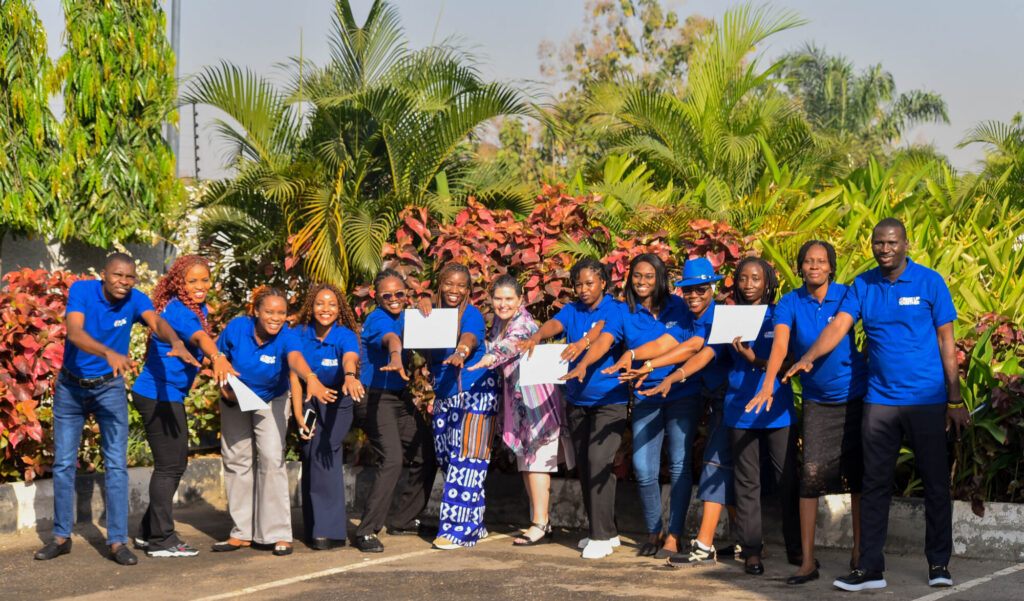
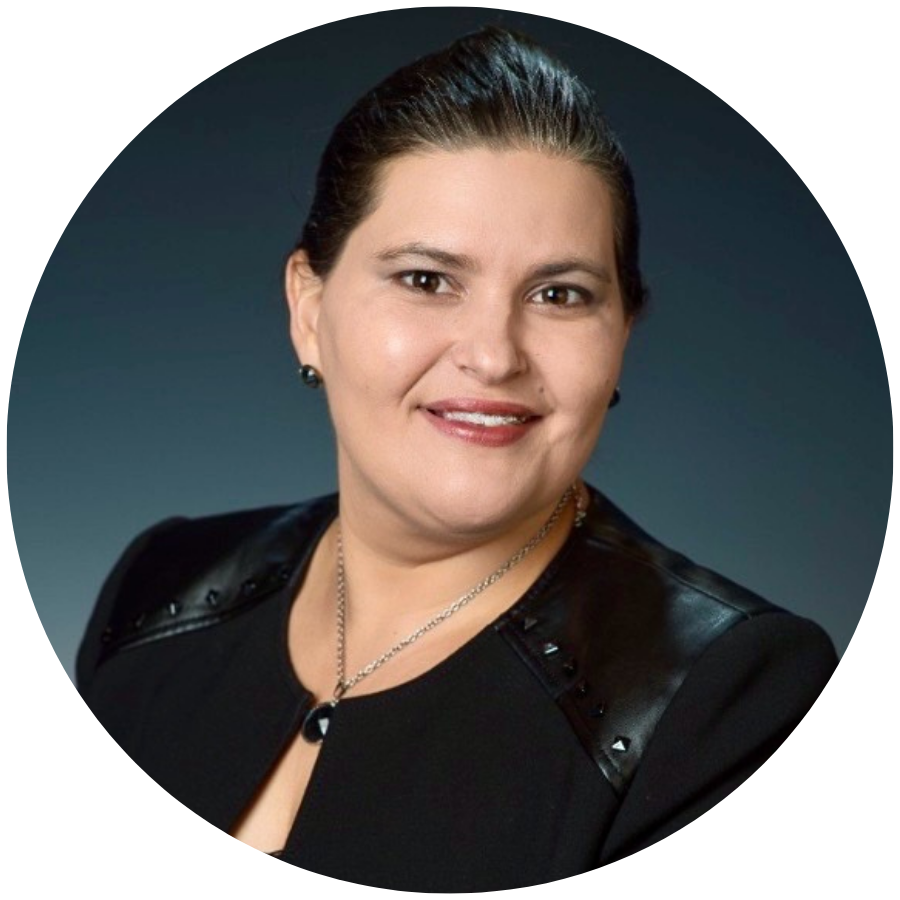
We’re proud to spotlight Jennifer N. Broome, Rise Up Together’s Director of Strategic Partnerships and a driving force behind our growth and global reach. Read her reflections on her time at our recent Accelerator in Nigeria below.
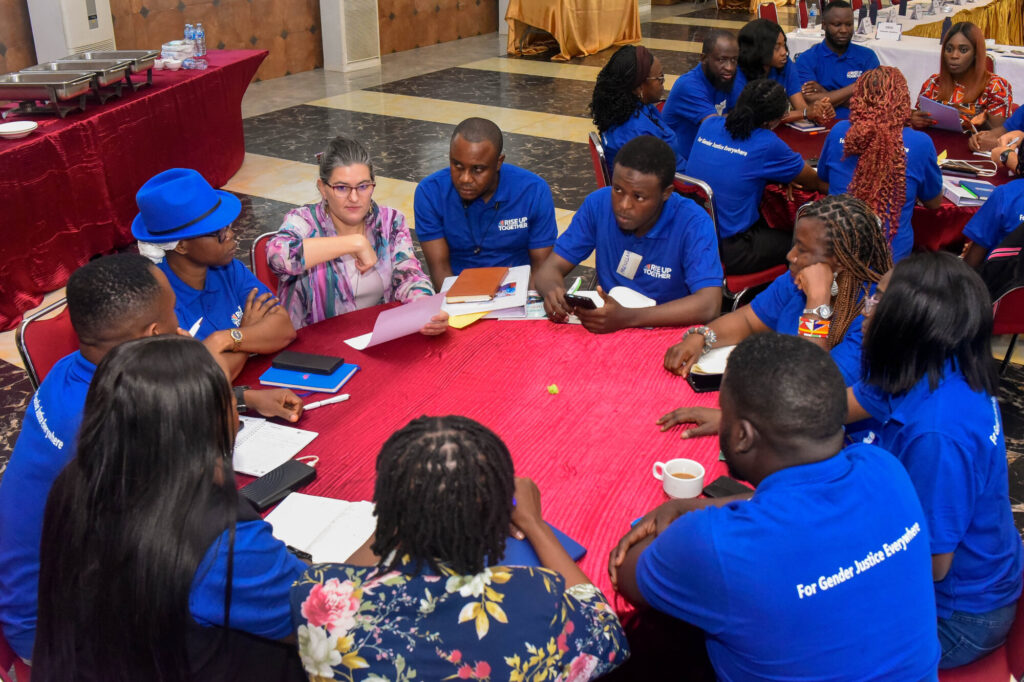
When I arrived in Abuja for Rise Up Together’s 2025 Nigeria Leadership and Advocacy Accelerator, I expected a powerful week, but I was still unprepared for how transformative the experience would be. Supported by our partners at Cummins Inc., this Accelerator brought together 25 remarkable civil society leaders from states across Nigeria, including the Federal Capital Territory, Rivers, Anambra, Kaduna, and Nasarawa States. Each of them came with a clear vision for advancing gender equity and justice in their communities, and over the course of the week they immersed themselves in Rise Up Together’s intensive leadership and advocacy training.

Our Accelerator model is intentionally designed to equip leaders with the strategies, tools, and networks they need to strengthen health, education, and economic opportunity through sustainable, large-scale change. But seeing it unfold in real time in Nigeria, with our incredible facilitators and global team guiding the process, made the impact feel tangible. The energy throughout the week was extraordinary. You could feel the focus, creativity, and determination of our leaders who are not only responding to urgent needs but reimagining a future where all people can thrive.
All week long, leaders participated in deep-dive sessions on movement building, policy advocacy, and strategic leadership. They will now carry new knowledge and skills forward as they design powerful, locally led projects and prepare to apply for our competitive grant funding. While our curriculum is rigorous and leaders were challenged to think in new and strategic ways, what stayed with me most was the sense of solidarity that formed among the group. The camaraderie built among the leaders will serve them well as they collaborate on their advocacy projects, share lessons learned, advise one another, and mentor future Rise Up Leaders. This cohort – our sixth in Nigeria – is poised to create change that will ripple outward for generations, and it was an honor to witness the beginning of that journey in person.
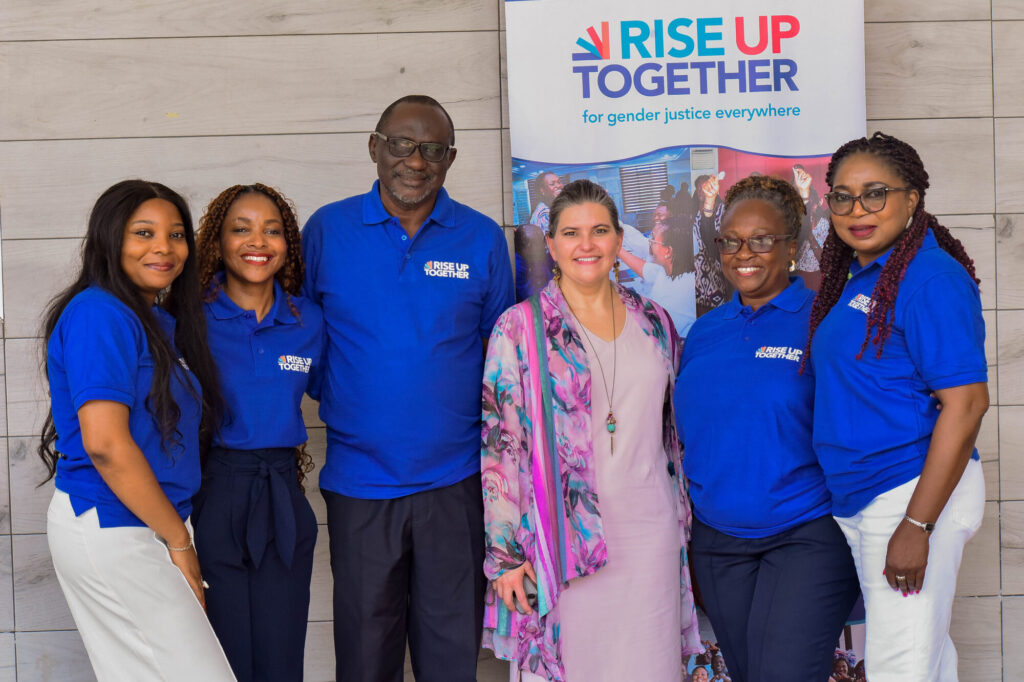
What was one moment during the Accelerator that really stayed with you – a conversation, activity, or story that captured the courage or humanity of the leaders in the room?
One moment I will never forget was the gratitude circle held on the final afternoon of the Leadership and Advocacy Accelerator. All 25 leaders sat together, shoulder to shoulder, and took turns sharing what they had learned from one another, from the facilitators and from the Rise Up Together global team. It was emotional, sincere, and deeply human. Many were moved to tears as they talked about how meaningful it was to be selected for such a competitive program, how supported they felt throughout the week, and how grateful they were for both the new knowledge and friendships they gained during the Accelerator.
What could have been a simple closing ritual became a vivid reminder that leadership development is not just about building skills. It is about building community, confidence, and a shared belief that real change is possible. Seeing leaders from across Nigeria express such vulnerability and conviction reinforced just how transformative our model is when local advocates are given space, support, and trust.
From your perspective, how did the Accelerator shape your understanding of the urgency of this work?
Being immersed in the cohort’s work brought the urgency of gender justice into sharp focus. Many leaders are advocating for basic rights and services that, in the United States, we often assume as foundational. Hearing directly from Rise Up Leaders who are pushing for baseline protections like access to education for girls, safety for women in their communities, and accessible health care was humbling and clarifying.
It underscored something that is easy to forget in global philanthropy. Human rights are not abstract principles. They are daily, material conditions that determine whether people can live with dignity. Our leaders are strengthening the social fabric of their countries from the inside out, and seeing the scale of the need and the determination of the leaders driving change firsthand reinforced why this work cannot wait.
How did it feel to witness these 25 advocates learning, connecting, and strategizing together? What surprised or moved you the most?
Watching the cohort build relationships in real time was one of the most inspiring parts of the week. Leaders arrived from every corner of Nigeria. Some quickly found common ground because of geographic proximity, but many also formed partnerships across regions and lived experiences.
From a gender justice strategy perspective, that kind of cross-regional connection is essential. It is where shared frameworks emerge and where localized advocacy efforts begin to influence national narratives. What moved me most was the generosity they showed to one another. Their curiosity, collaboration, and joy created a sense of solidarity that felt both deeply local and expansively global.
Was there a moment when you felt especially proud of Rise Up Together’s global impact or moved by the solidarity in the room?
Absolutely. This was our sixth cohort in Nigeria and during the graduation ceremony, several alumni from past Accelerators joined us. At one point, our facilitators invited them on stage and asked new leaders to come up one by one to be formally initiated into the Rise Up Together family. This moment demonstrated the cumulative impact of building a multi-year, multi-cohort ecosystem of advocates who continue to support and learn from one another.
It was profoundly moving to see how our model intentionally weaves leaders into a larger community rather than leaving them isolated after training ends. Standing there, I felt an enormous sense of pride in Rise Up Together’s ability to nurture leadership that lasts, evolves, and multiplies.
After spending the week with the cohort, how has your understanding of human rights leadership shifted or deepened?
This experience affirmed something I have always believed but saw demonstrated with exceptional clarity in Abuja: sustainable progress in equity and justice is driven from the ground up. The most effective solutions come from leaders who are rooted in their communities and understand the cultural, political, and social dynamics shaping people’s lives.
I was also struck by the strong participation of men in both the cohort and among returning alumni. In a world where patriarchal norms are deeply embedded, seeing men actively claim their role in advancing gender equity was powerful. It signaled not only an allyship but also a broadening understanding of who participates in gender justice and why it matters.
Anything else?
What I carried home with me was a renewed appreciation for the scale and intentionality of Rise Up Together’s model. The week in Abuja was profoundly impactful, yet it is only one chapter in a much larger global effort unfolding across multiple Accelerators in multiple regions each year.
As Rise Up Together’s Director of Strategic Partnerships, I often talk about how local leadership becomes global impact. Being in the room with this cohort allowed me to witness that transformation in action. From grassroots advocacy to policy change to shifting social norms, our leaders are demonstrating what is possible when communities are trusted, resourced, and empowered to drive their own change.

